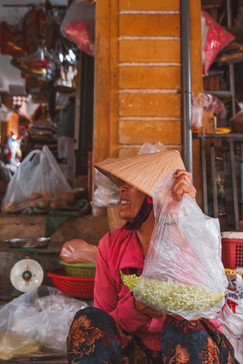
What I'm Really Looking For in the Markets of Vietnam
- RGMphoto

- Apr 26
- 3 min read
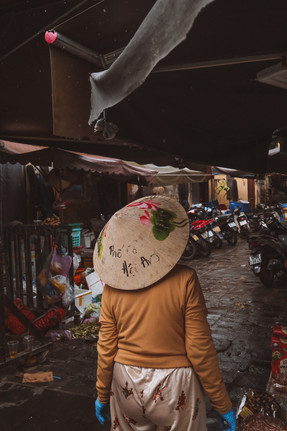
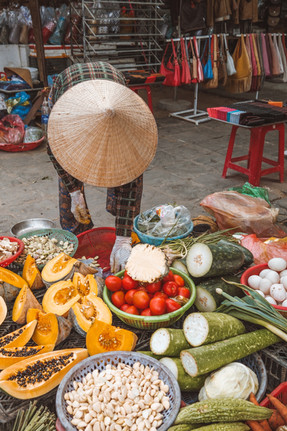
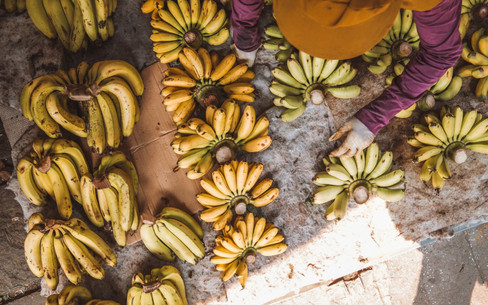
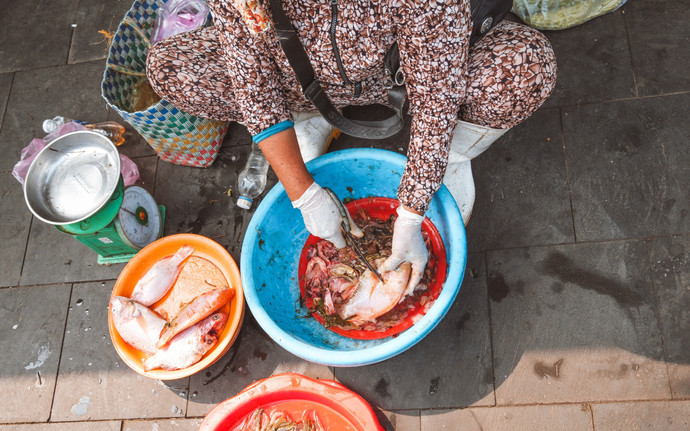
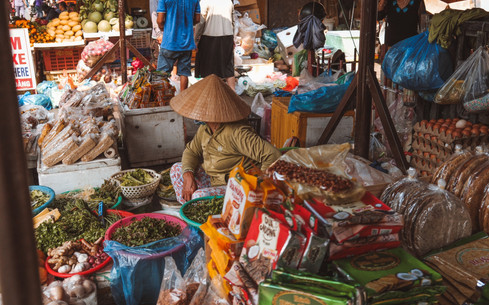
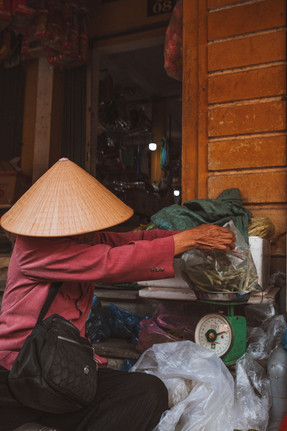
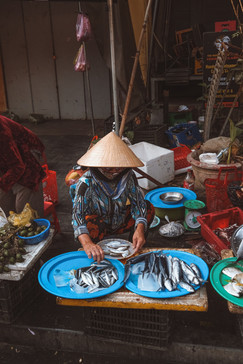
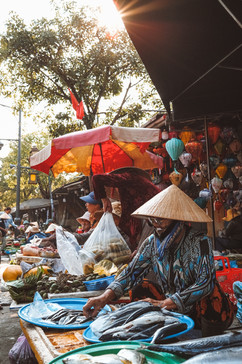
I'll be honest with you walking into a Vietnamese market with a camera for the first time is overwhelming. Like, genuinely sensory overload. The smell hits you before anything else. Fish, incense, charcoal smoke, fresh herbs, something frying somewhere you can't quite locate. Then the noise. Then the light this incredible chaotic slant of it coming through gaps in the roof.
And then everyone's just... busy. Nobody's waiting for you to get your shot together. That's kind of the whole point.
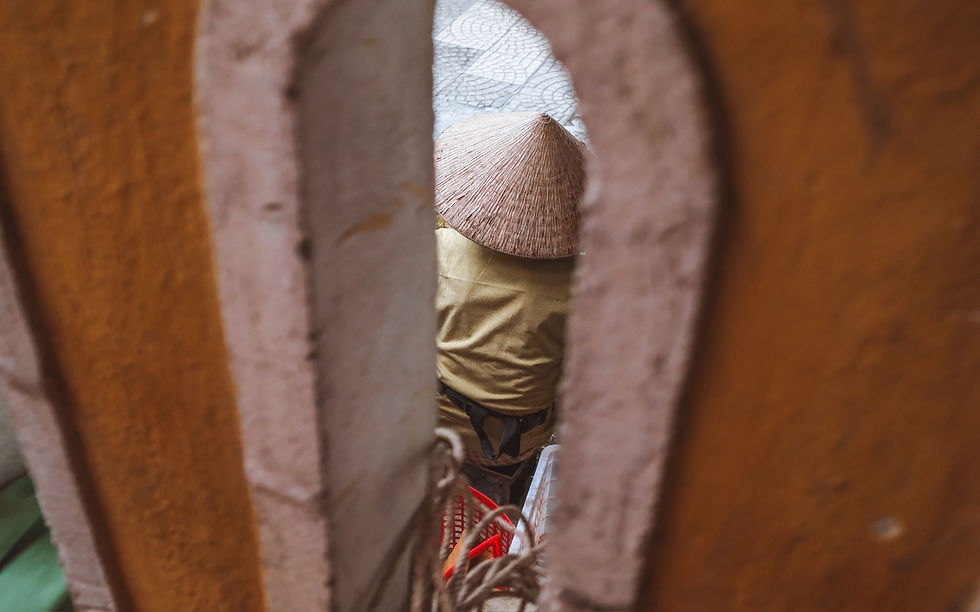
Every time I tell people to get to the market early, they show up at 8am. That's already too late for the real action. The vendors have been there since 4 or 5. By 7am there's already a rhythm the stalls are set up, the regulars are shopping, and crucially, nobody's paying attention to you yet. That anonymity is gold.
I'll often just wander for the first 15-20 minutes without lifting the camera at all. Just walking, nodding, making eye contact. You're not invisible but you're not a photographer yet you're just another person in the market. That matters later when you do start shooting.
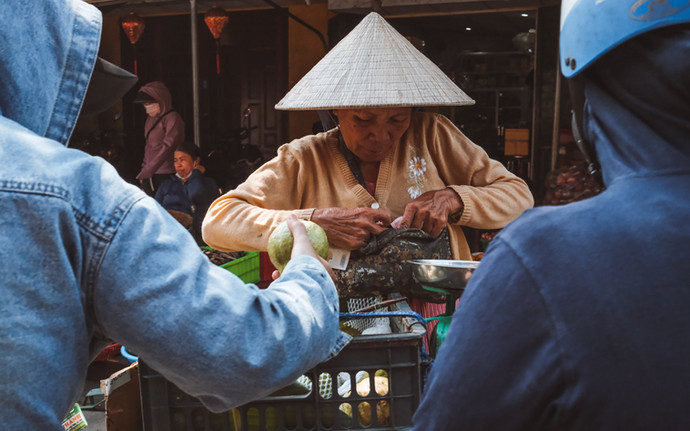
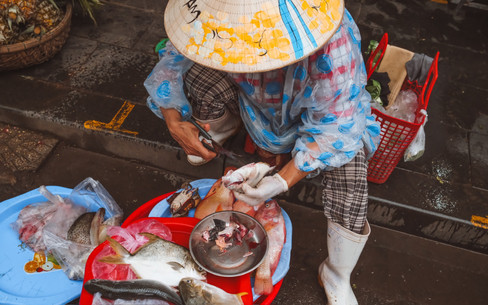
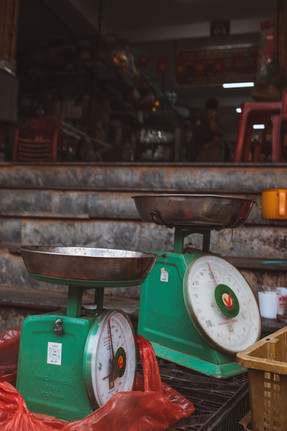
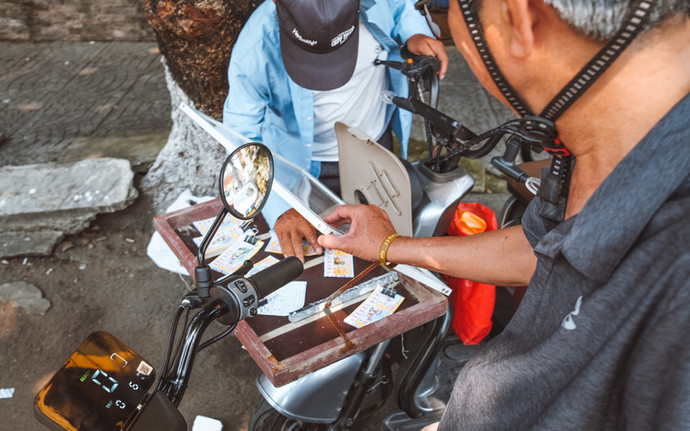
People ask me what kind of shots I'm after and I usually say "the in-between moments." Not the posed smile, not the dramatic action the bit in the middle. A vendor counting change with one hand while talking to someone else. The moment a customer tilts their head considering a price. The split second where two strangers share a laugh over something I wasn't quick enough to catch. Money exchanges are particularly interesting to photograph. There's a vulnerability to it hands open, notes changing, the tiny pause of calculation. Vietnamese markets are almost entirely cash. You see everything the texture of worn notes, the speed of an experienced vendor making change without looking, the occasional back-and-forth haggling that's theatrical and good-humoured and completely serious at the same time.

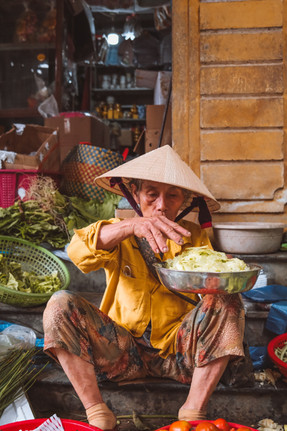
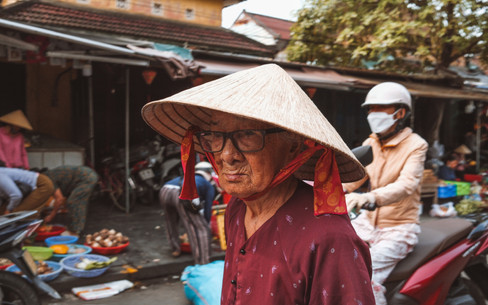
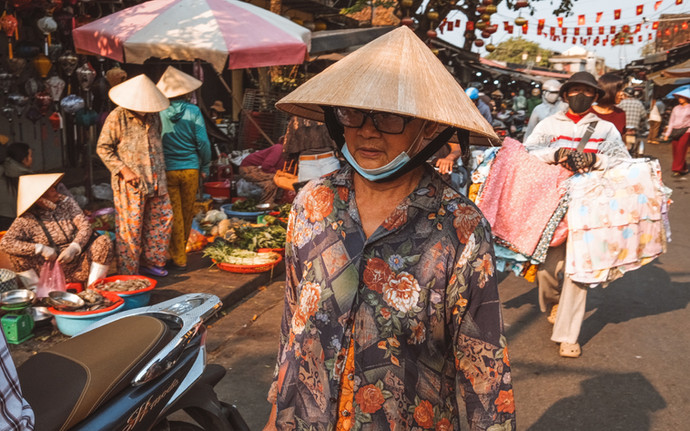
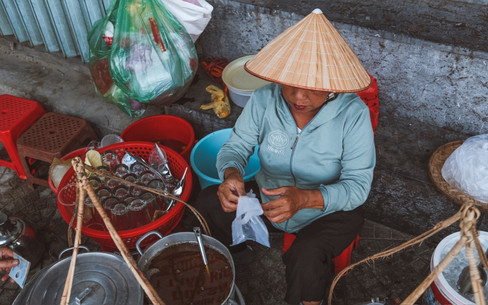
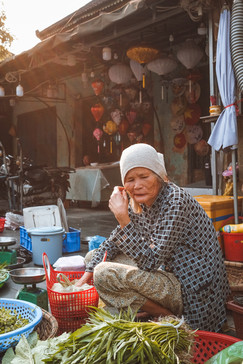
I'll spend time near someone, maybe buy something from them, have whatever exchange is possible with limited shared language a lot of smiling, pointing, nodding and then I'll hold up the camera and gesture. They either wave me away (fine, no hard feelings, I move on) or something opens up. When someone is willing really willing, not just tolerating you the portrait is completely different. You see it in how they hold themselves. Some people just turn and look at you like you're already old friends. A lot of the women vendors in particular have this incredible directness, this lack of self-consciousness. They're busy, they've got work to do, but they'll give you thirty seconds of proper eye contact and it's enough to take your breath away.
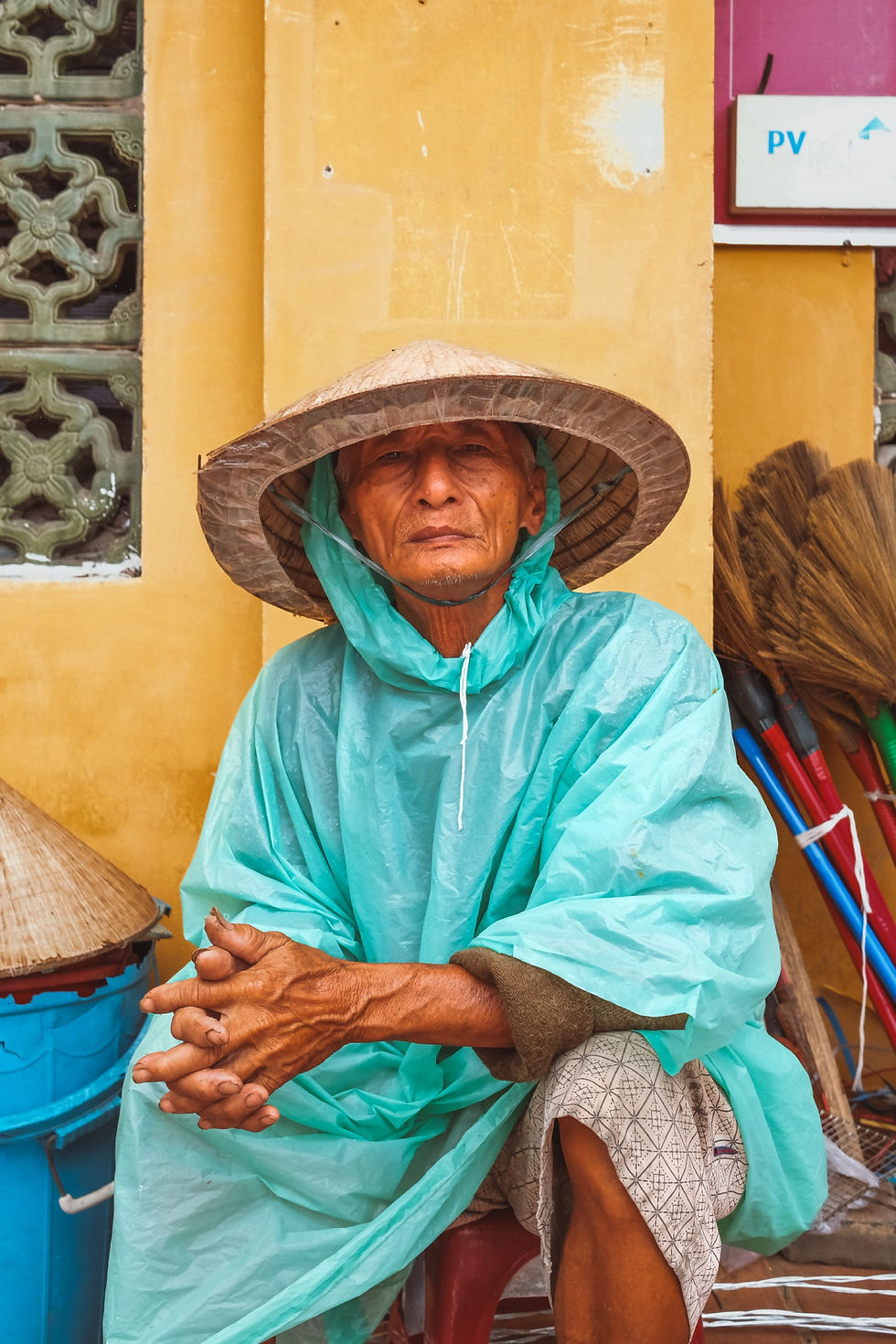
Sometimes you misread a situation. Someone looks unbothered and then very much is not. A vendor doesn't want you near their stall. You got too close and didn't notice the signal to back off. I've had cameras pushed away, had people shout, had a vendor once block my lens with her hand so firmly I nearly dropped it. Fair enough. You say sorry as best you can, you leave the area, you don't go back to that stall. I think about this a lot. These markets aren't a set. They're not there for me to harvest images from. People are working.

Every market visit is different even if it's the same market. The light shifts. Different vendors. Same familiar faces who now recognise me and wave. The kid who was hiding behind the fish last month is now front and centre making faces at my lens.
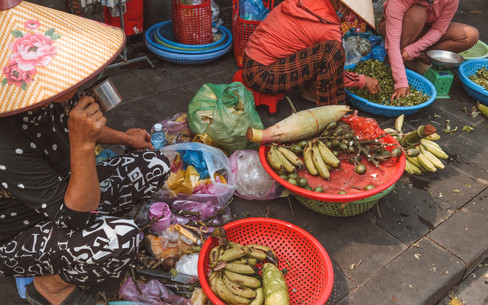
There's something about the Vietnamese market specifically the scale of it, the density, the fact that it functions as this deeply social space that's also completely transactional. People come to shop but they're also coming to see people, to catch up, to argue about prices in a way that's basically affectionate. It's a whole world. I could spend every morning in one and still not get bored of it. If you're thinking about shooting markets here whether you're a photographer or just someone with a phone who wants to try go slow, spend money, make eye contact before you make photographs. The rest will follow.